
Why this story matters: Amidst the constant noise of the modern world, it’s essential to pause and highlight the examples of human kindness and systemic progress that rarely receive the front-page attention they so richly deserve.
Quick summary: This story highlights recent developments related to circular economy, showing how constructive action can lead to meaningful results.
BY THE OPTIMIST DAILY EDITORIAL TEAM
Would you like to read more good news about Circular Economy, Trending, Environment, Festival Urine Fertiliser, Uk, and Trees?
Only seven percent of Britain’s native woodlands are in good condition. Pests, pathogens, and invasive species have worked through the rest. And rising fertilizer costs, driven by ongoing conflict, have not helped. A Bristol-based startup thinks part of the answer has been sitting in festival portable toilets all along.
NPK Recovery, based at the University of the West of England, collects urine at large events such as the London Marathon and Boomtown Festival, and processes it into plant fertilizer on-site. The company removes contaminants from raw urine and concentrates the nitrogen, phosphorus, and potassium that plants need. Field trials show the product performs comparably to synthetic alternatives. Researchers are also quick to note that it doesn’t smell.
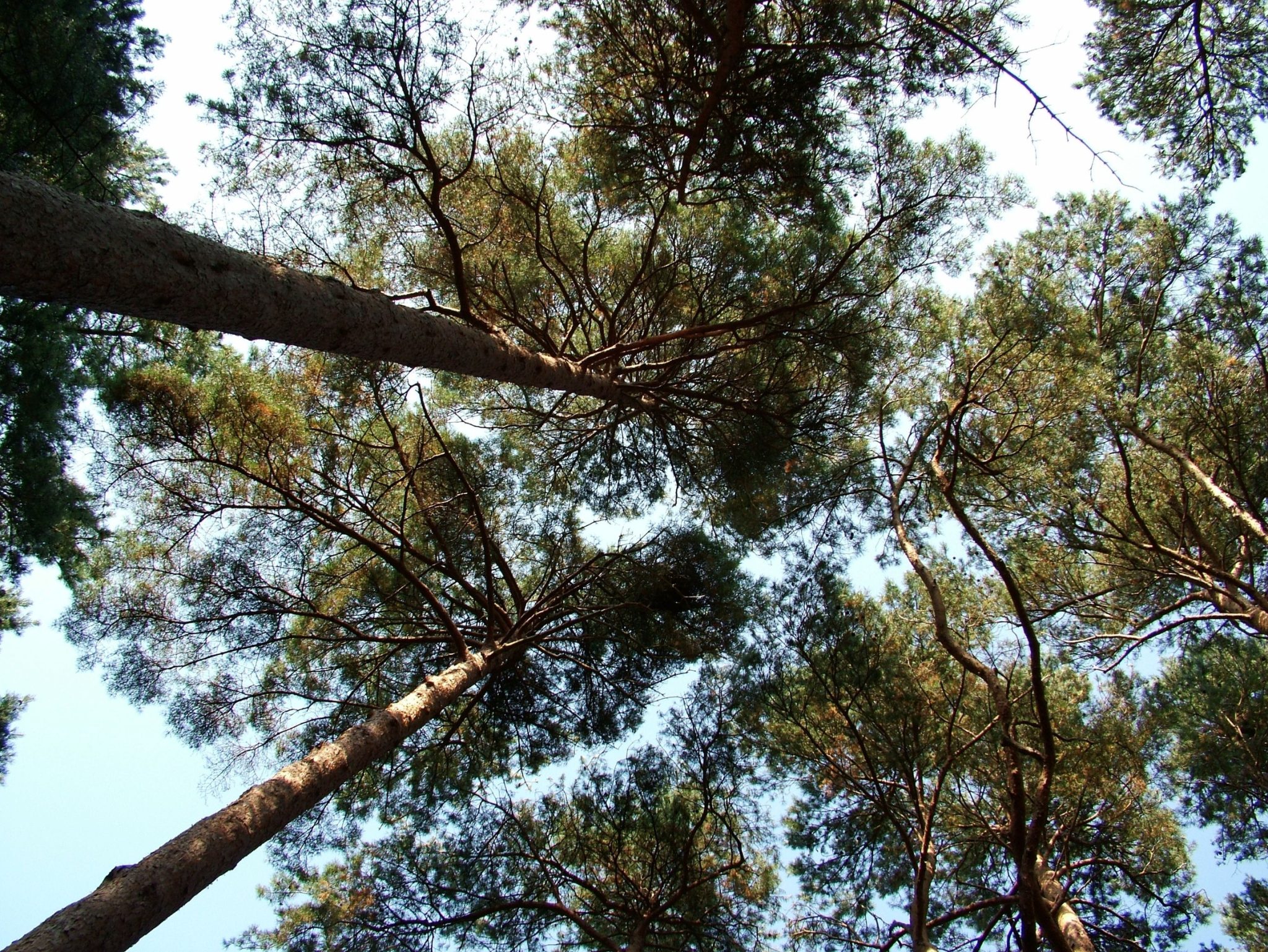
The company is now taking on its biggest test: a three-year trial to grow 4,500 native British trees using urine-derived fertilizer, funded by a £435,627 (approximately $553,000) Forestry Commission grant.
From festival grounds to a Welsh forest
The trees (beech, Scots pine, and other native species) will be grown at a nursery outside Abergavenny in south Wales, run by Stump up for Trees, a farmer-led charity that recently planted its 500,000th tree and is working toward one million. Once established, they’ll go into Bannau Brycheiniog National Park, also known as the Brecon Beacons.
This is the first time urine-based fertilizer has been used in UK tree cultivation. The Forestry Commission is funding the trial, a sign that interest in fertilizer alternatives is moving beyond the fringes.
Co-founder Lucy Bell-Reeves called it “a circular solution that can revitalise our struggling native species.” She likes the thought that festival crowds who contributed to the process will have helped create “a fledgling Welsh forest, which could flourish for hundreds of years.”
The science behind the smell-free product
Urine contains the core nutrients plants need, but it also carries contaminants that make raw application impractical for agriculture or forestry. NPK Recovery’s process strips those out, producing a concentrated nutrient solution that can be applied at scale. “We need to stop flushing crop and tree-growing nutrients down the loo, and start using them to increase our fertilizer security,” Bell-Reeves said. “After all, we’re not about to run out of urine any time soon.”
Research and development scientist Olivia Wilson said the goal goes beyond this one project. With imported fertilizer prices still elevated, she said the company hopes “to provide a bit of fertilizer security for growers in the UK who are looking for a more sustainable source for their fertilizer needs.”
Author and journalist Rob Penn, who co-founded Stump up for Trees, called the project “ground-breaking” with implications for the future of sustainable forestry.
Over the next three years, researchers will track growth rates, compare results against synthetic fertilizer plots, and test whether the approach holds across different tree species and soil types. A lot rides on whether the trees actually thrive… but if they do, it becomes much harder to justify flushing all those nutrients away.
Did this solution stand out? Share it with a friend or support our mission by becoming an Emissary.
BluAZ.com curates positive and solution-focused stories from trusted sources around the world.
