
Why this story matters: In this week’s highlight of positive developments, we look at a story that reminds us that progress is a choice we make every day through our actions, our innovations, and our refusal to settle for the status quo.
Quick summary: This story highlights recent developments related to mystery, showing how constructive action can lead to meaningful results.
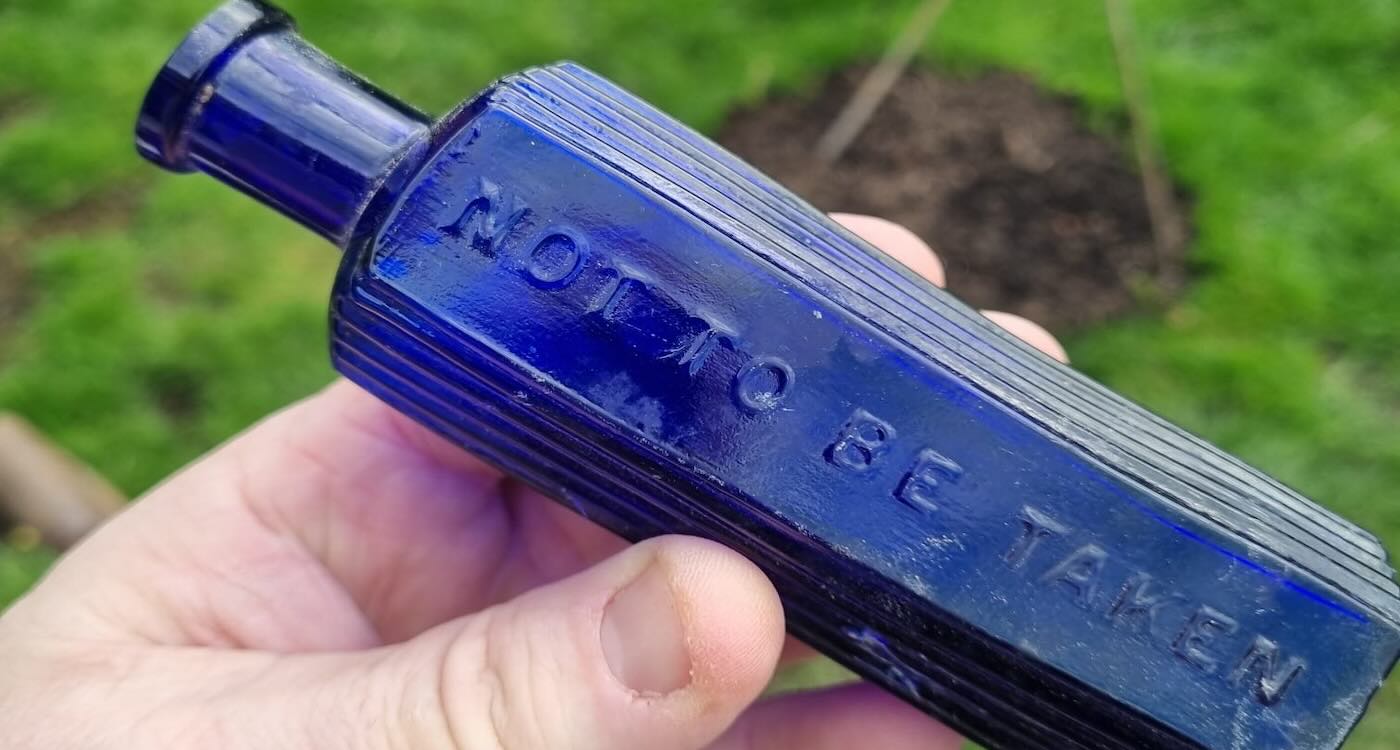
A family’s dog may have solved a notorious 160-year-old murder, after he dug up a bottle of poison buried in the garden.
The Labrador unearthed a blue vial under his lawn in Devon, England, that his owner, Paul Phillips, thought was a pipe—until he saw the words ‘Not To Be Taken’ embossed on glass.
The 49-year-old did some digging and discovered a woman named Mary Ann Ashford had lived two doors down and killed her husband William in 1865. She put poison into his tea so she could take his money and be with her young lover.
Would you like to read more good news about Mystery, Surprise, Discovery, Animals, Dogs, and England?
Now, in the modern-day town of Clyst Honiton, he’s pretty sure his dog has uncovered the evidence.
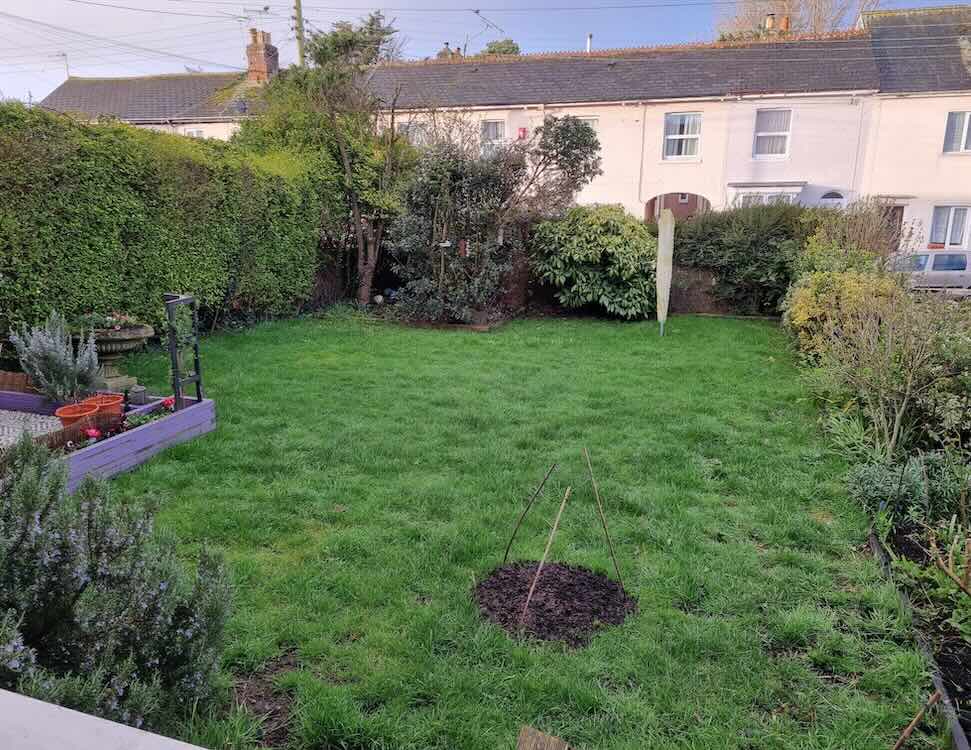
“My dog, Stanley, has been digging in the same spot in our garden,” Paul told SWNS news agency. “We kept patching it up—and even at one point had to put a paving slab over it—but he was insistent there was something there he wanted.
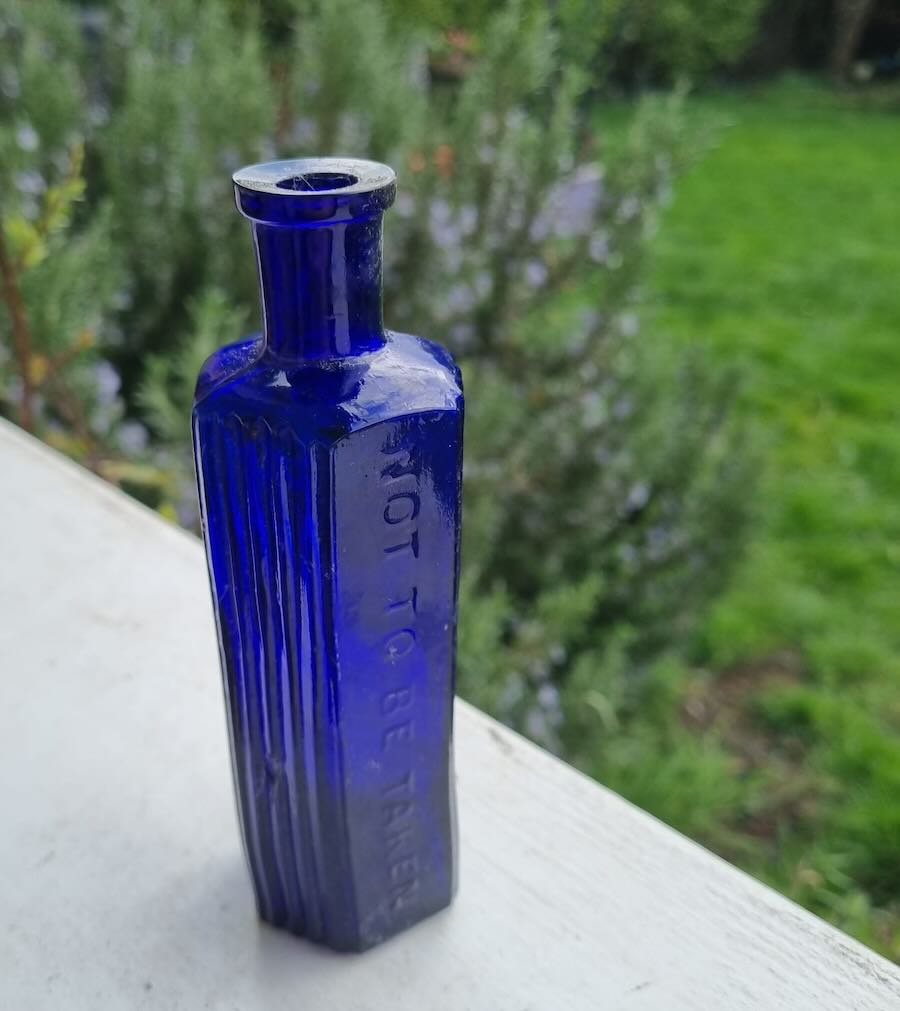
“It was a bright blue bottle in perfect, mint condition and had the words, ‘Not To Be Taken’ on the glass.”
After doing some research, he learned that such bottles were used in the mid-19th century for poisons, and then he remembered learning something about a murder and hanging in the village over a century ago.
“So I went back online and found the old newspaper article about William and Mary Ann Ashford living in Clyst Honiton. She was having an affair with a guy that worked at the local bakery. I think our property used to be a big cider barn.
“The fact that there was a murder due to poisoning in the next door down from us…you have to put two and two together!”
Paul also learned that his bit of local history became part of a national political question about the death penalty.
After tests showed that Mary Ashford had traces of arsenic and strychnine on her clothes, the local Victorian killer was sentenced to be executed for the “murder by arsenic poisoning of her husband of 20 years”—but the hanging almost went wrong.
Reportedly, with a crowd of 20,000 people watching, it took Mary minutes to die.
Paul said the incident galvanized opinion at the time against public hangings, and was key to ending them across the country.
“It is fascinating that we have found a bit of history in my garden from a woman that was instrumental in the end of corporal punishment 160 years ago,” he beamed. “My family and friends are totally engrossed with the story.”
Since the discovery, Stanley has not been digging in that spot at all anymore.
And Paul hopes a local historian steps up to help the family find out more information about the unique story.
BluAZ.com curates positive and solution-focused stories from trusted sources around the world.
